

Binoculars have long been indispensable aids to humans. These devices first appeared in the 17th century and have since undergone a long process of refinement. Today, they are cutting-edge optical equipment, replete with technological advances. Modern binoculars combine the best of what’s available to humans, opening up new possibilities for observation. Below are the main features of the new models and the technologies used in them.
Optical technologies
Binoculars are optics, meaning optical technology plays a key role in their performance. Modern models use lenses made of special materials. The technology behind them is often kept secret, meaning only a select few know about them. These materials are highly durable and eliminate most distortions. An equally important advancement in optical technology is the use of special lens coatings. These are created using nanomaterials and possess specific properties. Binoculars of various types most often use coatings that improve light transmission and color accuracy. These coatings allow for higher-quality images and expand the range of applications for binoculars.
Image stabilization technology
Modern binoculars are unimaginable without image stabilization technology. This technology ensures comfortable observation. Thanks to this technology, users don’t notice image shifts caused by handshake or other external factors. Image stabilization is especially important in modern models with high magnification. Even at maximum magnification, the image remains stable. How is this achieved? Through the use of special moving lens elements and sensors that detect any vibrations. This combination compensates for any shifts and maintains a steady image.
Night vision technology
Modern binoculars are available for both daytime and nighttime use. Models designed for nighttime use include night vision technology. This technology enables observation in low-light conditions, where the human eye can’t see beyond 2-3 meters. Night vision works by amplifying light. Binoculars collect starlight and moonlight, and the photons are then affected by various factors. The result is an amplified image that allows one to see everything within the field of view of such optics. Binoculars supporting NV technology are indispensable for hundreds of applications. They are useful for hunting, security, rescue, and military operations, research, various nighttime outdoor activities, and more. Thanks to their night vision, binoculars are highly sought-after devices, used by both military and civilian users.
Thermal imaging technologies
Modern binoculars also utilize thermal imaging technology. This expands the capabilities of optics, making them indispensable for many tasks. Like night vision, thermal imaging is primarily used in models designed for nighttime use. This technology captures thermal radiation emitted by surrounding objects and uses it to create a final image. This image has a slightly unusual appearance. In the thermal image, each color corresponds to a specific degree of heating. This allows the user to see where warm and hot objects are located, and where they are cold. This feature makes thermal imaging binoculars popular in many fields. This technology is also used in thermal imaging scopes to avoid detection, in military and civilian monoculars, in night vision goggles, and in other optical devices.
Image processing technologies
The main problem with all binoculars is their insufficient performance in adverse environmental conditions. This negatively impacts image quality and creates certain difficulties for users. To address this issue, image processing technologies have been integrated into modern models. While this adds a step to binocular operation, it eliminates most defects. At this stage, an electronic system processes the resulting image, making it sharper, brighter, more contrasted, and more detailed. As a result, the user receives a more informative picture. Image processing technology is used equally often in day and night binoculars, further expanding the capabilities of modern optics.
Artificial intelligence technologies
AI is a trendy technology that’s being integrated into all modern devices. Binoculars are no exception. Artificial intelligence (AI) performs several tasks simultaneously. First, it complements image processing systems. Special algorithms improve image quality and detail. Second, AI enables the identification of various objects. When objects enter the binoculars’ field of view, the AI instantly determines what the user is seeing. AI also makes binoculars more effective for navigation. It helps determine the device’s location by analyzing visible objects and comparing the existing image with millions of similar images. All of this makes modern binoculars more versatile, allowing them to be used for both simple and complex tasks.
Security Technologies
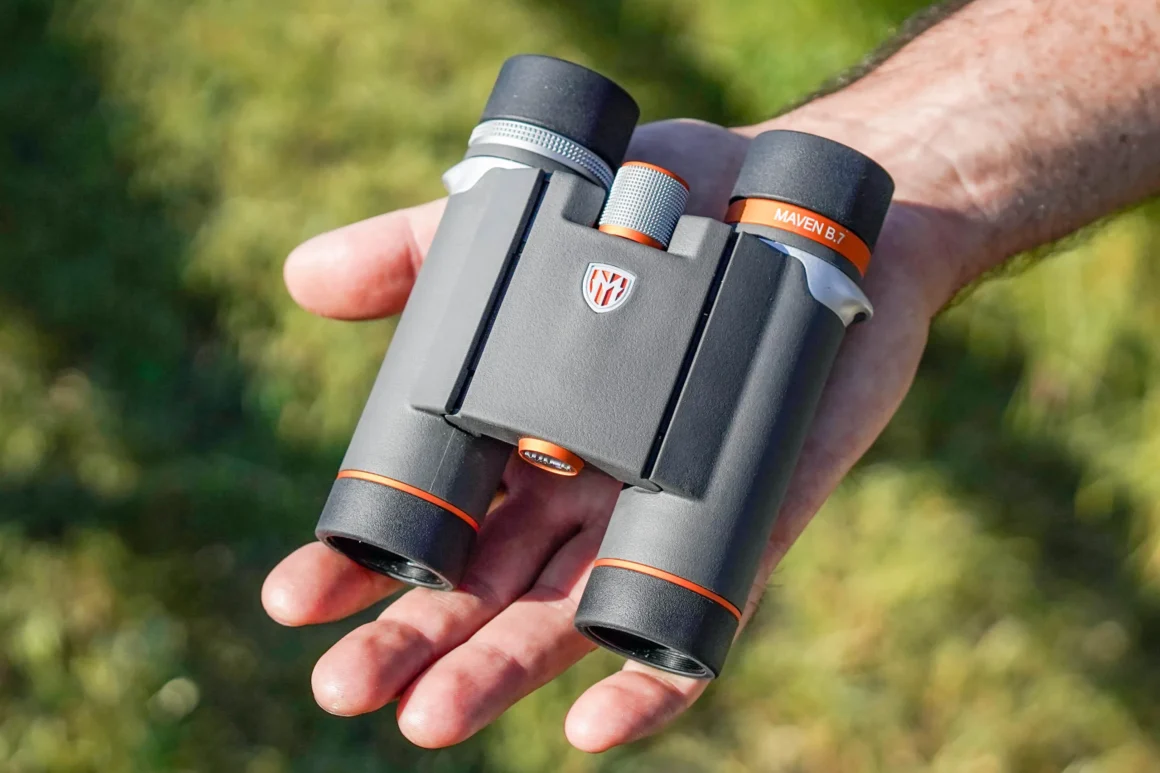
All modern binoculars utilize a variety of protective technologies. Their primary purpose is to protect the optics from external influences comprehensively. The housing’s waterproofness is achieved through the use of special seals. These seals eliminate gaps between the connecting elements, preventing moisture from penetrating the internal components. This same protection helps prevent dust accumulation inside the housing. To prevent fogging, modern binoculars use special lens coatings, and condensation is prevented by filling the interior with gas (argon or nitrogen). Shock-resistant materials manufactured using a special technology protect the binoculars from mechanical impact.
Modern binoculars are devices that do more than magnify images and bring the user visually closer to the observed object. They offer a wide range of features and are equipped with a variety of useful accessories. This is made possible by the introduction of modern technologies. These technologies are changing many aspects of optics, making them more adaptable to tasks of any complexity. In the future, improvements in binoculars will also be inextricably linked to various technological advances. These advances will usher in a new era in the development of these indispensable optical devices.
More Stories
The AI Revolution in Forex: How Predictive Analytics are Redefining Trading Strategies in 2025
4 Ways Your Business Can Take Advantage Of Cloud Computing
Fitness tracker buyer’s guide