
Speed sells. That much is obvious. But plenty of businesses have burned through serious budget chasing faster delivery windows – only to find their customers didn’t really care that much to begin with. With quarterly e-commerce sales now making up more than 16% of all US retail, delivery has moved to the center of how brands compete. The trouble is, most businesses skip straight to how fast before they’ve figured out what actually makes sense for them. Getting to grips with the same day delivery benefits – and the trade-offs that come with them – is a good first step. After that, three questions really need honest answers.
1. What Are Your Customers Expecting – Really?
This sounds obvious, but it’s almost always skipped. Businesses assume speed is the top priority because Amazon has conditioned everyone to think that way. Sometimes that assumption is right. Often it isn’t.
A customer browsing for a handmade gift, a niche supplement, or a piece of custom hardware isn’t necessarily sitting there willing to pay extra for same-day. But someone ordering dinner, picking up a last-minute birthday present, or waiting on a part that’s holding up their workday? Completely different story. The category matters enormously. So does the buyer. Before building a delivery promise into your brand, actually ask your customers what they want – a simple survey can reveal things that feel genuinely counterintuitive. Plenty of businesses have run that exercise and discovered that reliability and clear communication ranked higher than raw speed.
2. Can Your Setup Realistically Support It?
Here’s where things tend to fall apart. Promising fast delivery without the infrastructure to back it up consistently is one of the more reliable ways to damage customer trust. One missed window and suddenly that “speedy delivery” brand promise starts working against you.
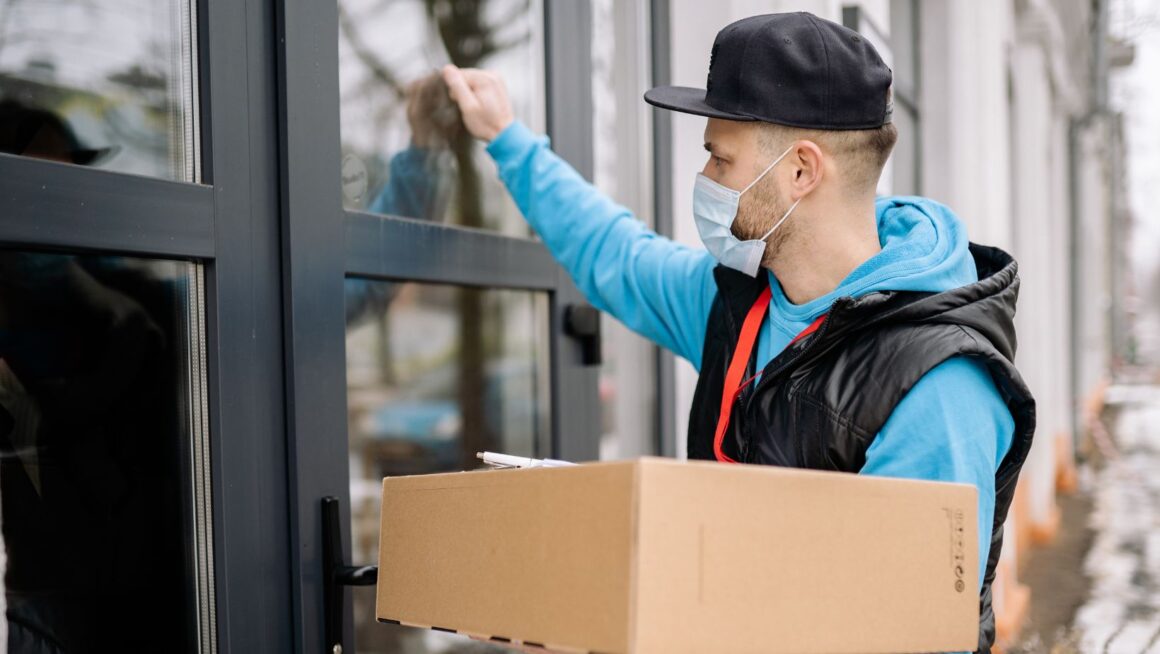
The honest assessment here involves looking hard at warehouse locations, product dimensions, anything perishable, and how your dispatch process actually runs on a bad day – not just a good one. For smaller businesses especially, the growth of on demand logistics has made outsourcing a genuinely practical option. Partnering with an experienced courier service means the infrastructure is already in place – you’re not having to build it from scratch just to test whether your customers even want faster delivery.
3. Does the Math Hold Up?
Same-day delivery can run two to four times the cost of next-day. That premium isn’t automatically a deal breaker – for high-margin products with strong repeat purchase rates, the uplift in conversion and customer retention can more than cover it. But those gains aren’t guaranteed, and they vary a lot depending on the business.
The future of logistics increasingly points toward tiered delivery models, where speed becomes a premium option customers choose to pay for rather than a blanket offering that quietly eats into margins. It’s worth running the numbers for your specific product and customer profile – not just borrowing conclusions from industry case studies built around retailers ten times your size.
So, Where Does That Leave You?
No single delivery strategy works for every business. What works is the one that fits your actual customers, your operational reality, and your margins – not the one that looks most impressive in a pitch deck. Get those three things aligned and you’ve got something built to last.
More Stories
Promo Code Hellcase: Unlock Bonuses Instantly
How to Convert OST File to PST Format Without Outlook
The Evolution of Mobile App UI: Why 2026 Apps Feel “Invisible”