
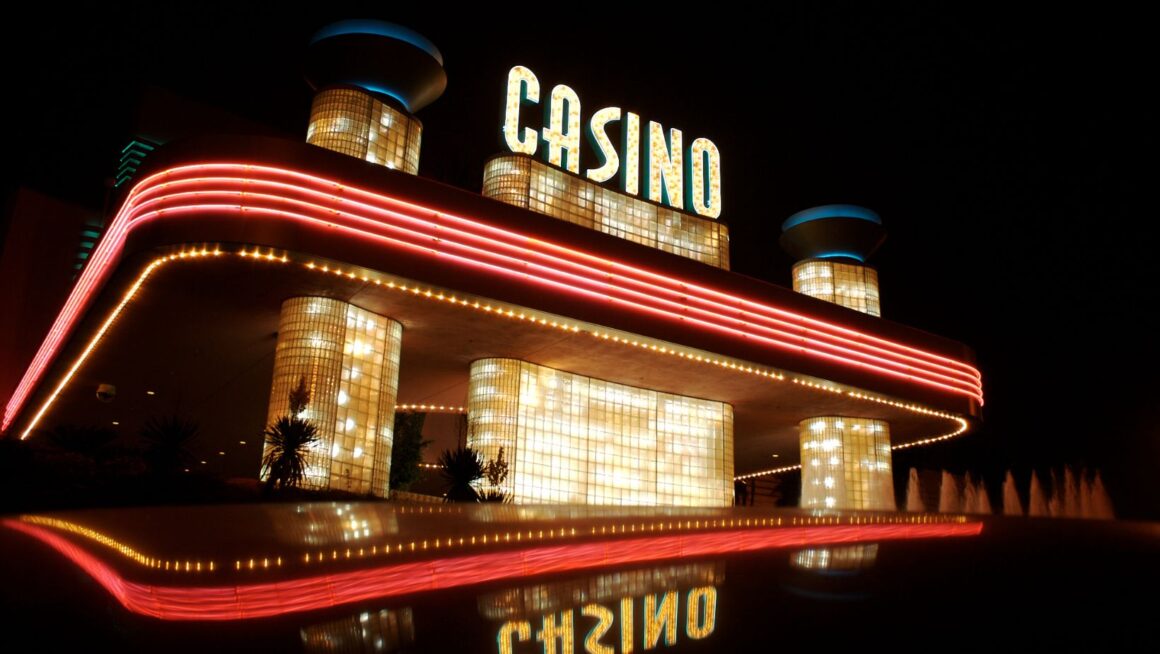
For anyone paying attention to digital culture, the connection makes sense. Online casinos evolve the same way streaming platforms, virtual universes and mobile games do. They follow patterns of user behaviour, accessibility and technological possibility. Today’s new casinos are not just updated versions of their predecessors. They belong to a more ambitious technological era.
Why Tech Culture and Casino Innovation Go Hand in Hand
Every digital trend eventually touches entertainment. When developers explore new design methods or experiment with emerging tools, gaming platforms tend to be some of the earliest adopters. The same thing happened with mobile gaming, cloud processing and AI-powered personalisation. Casinos simply moved in parallel.
The modern player expects fast interfaces, instant access, intuitive navigation and systems that learn their preferences. These expectations mirror the broader internet experience. Apps curate feeds. Streaming platforms predict your next favourite show. Virtual assistants react to natural language. Casinos are beginning to apply similar logic in their designs.
This shift is partly cultural. Tech users want frictionless experiences. They want to explore interactive spaces without hurdles. That demand pushes casino developers to look beyond traditional layouts and toward something more futuristic.
AI Steering the Next Wave of Player Experiences
Artificial intelligence is no longer a novelty. It shapes recommendations, gameplay pacing and even visual design. In the casino space, AI can adjust difficulty levels, personalise lobbies and guide players through the interface in ways that feel natural.
But there is also another side to this trend. Ethical questions are growing, much like in other sectors where AI is deeply embedded. The European Commission’s AI Ethics Guidelines address concerns that span industries, including transparency, fairness, and accountability. These principles influence how developers design interactive systems that respond to player behaviour.
As AI becomes more common in online entertainment, many platforms are choosing to build within these guidelines to create experiences that can evolve without compromising user trust.
Immersive Digital Spaces and Neo-Aesthetic Design
Recent casino platforms have shifted toward a style that looks more like modern gaming environments. Instead of flat menus and static visuals, developers experiment with atmospheric lighting, fluid animations and game hubs arranged like futuristic control panels.
Developers are also exploring reactive systems that adapt to player behaviour in real time, a trend influenced by how data analytics is revolutionising interactive casino games
and guiding designers toward more responsive and immersive digital worlds.
This aesthetic trend mirrors the blending of gaming with digital art. The lines between “casino platform” and “interactive world” are getting blurrier. Neon grids, cosmic backgrounds, minimal geometric designs and dynamic soundscapes all point toward a future where digital entertainment feels like stepping into a sci-fi environment.
The rise of browser engines capable of real-time rendering has also pushed the design envelope. Features like animated card movements, glowing interface markers and fluid transitions now appear even in lightweight platforms.
Instant Access and the Culture of On-Demand Entertainment
We live in an era of immediacy. Music streams instantly. Digital libraries sync across devices. Even news is delivered in real time. Online casinos have followed the same path. Many new platforms now launch with quick-access interfaces, one-tap login options and minimal wait times between interactions.
This isn’t just convenience. It reflects a cultural shift toward entertainment that adapts to a fast lifestyle. People dip into small bursts of engagement rather than long, drawn-out sessions. Casino designers responded by creating systems that allow seamless transitions between games, minimal loading times and interfaces that feel fluid rather than static.
A Glimpse Into the Future Digital Playground
Looking ahead, casino experiences will likely transform further. Virtual and augmented reality are creeping into mainstream gaming. Gesture-based controls and spatial audio are becoming more accessible. Cloud computing lowers the barrier for high-performance interactions.

If these trends continue, future casino worlds may look less like websites and more like interactive holodecks. Players might navigate floating menus, converse with AI hosts or step into themed digital environments designed around sci-fi narratives.
These ideas are not as far-fetched as they sound. Tech culture is already heading in that direction, and entertainment platforms often ride the earliest waves of innovation.
Mirror of cultural events
Online casinos have always mirrored the cultural currents of the internet. The latest wave simply pushes them into futuristic territory, shaped by AI, immersive design and the broader expectation for seamless digital experiences. As technology evolves, casino platforms will continue to reinvent themselves, reflecting the same curiosity, imagination and ambition that drive the rest of the digital world.
The next generation of casino environments won’t look like their predecessors. They will feel more like mini-universes crafted for a new era of online exploration.
More Stories
4 Things You Should Do to Promote Your New OF Account
A Comprehensive Guide to the Boomerang Universe: Where Gaming Meets Professional Betting
Slot Strategies Backed by Player Statistics