
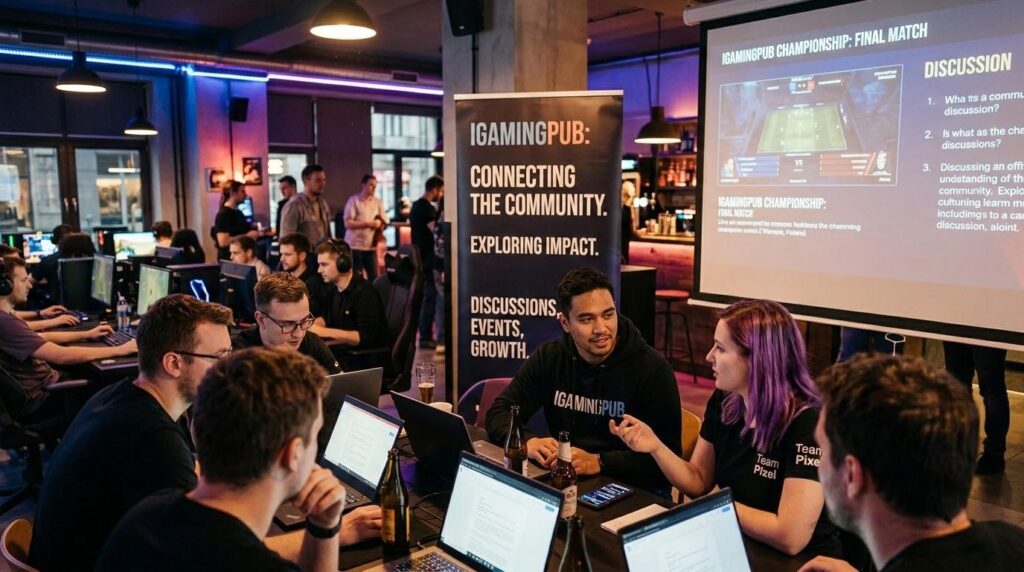
Analyzing player engagement and technological advancements reveals a pressing need for operators to adopt data-driven strategies. By implementing robust analytics tools, businesses can better understand player behavior, preferences, and emerging patterns. This approach not only enhances customer retention but also optimizes marketing efforts, targeting potential new users more accurately.
Exploring integration with blockchain technology emerges as a viable path for ensuring transparency and security in transactions. Adopting cryptocurrencies can attract a broader demographic, particularly among younger audiences who favor decentralized finance. Insights from iGamingPub highlight how these innovations not only enhance the gaming experience but also build trust among users concerned about privacy and fairness.
Considering the rise of immersive technologies, including virtual and augmented reality, diversifying offerings to include these features can attract tech-savvy players seeking unique experiences. Investing in high-quality graphics and virtual environments may lead to higher engagement and increased lifecycle value. Tailoring content to specific demographics will create personalized experiences that resonate with users.
Finally, the regulatory landscape continues to evolve, necessitating proactive compliance measures. Staying ahead of legal requirements will mitigate risks and foster a stable operating environment. Engaging with policymakers and industry groups will provide valuable insights and help shape future regulations that benefit both operators and players alike.
Adapting to Player Preferences in the IGaming Landscape
Understanding demographics is key. Analyze data to segment players based on age, location, and gaming habits. For instance, younger audiences may favor fast-paced, mobile-friendly experiences, while older players might enjoy more traditional formats. Collect and interpret this information to tailor games that resonate with specific user groups.
Utilize feedback mechanisms to enhance user experience. Implement surveys and incorporate player reviews to gather insights on game features, themes, and functionalities. Regularly engaging with the player community allows developers to iterate on existing offerings and introduce new elements that align with player desires.
Offer personalization options. Features like customizing avatars, selecting specific game modes, or altering game difficulty can significantly elevate player satisfaction. This strategy helps players feel a sense of ownership and deepens their connection to the gaming experience.
|
Player Segment |
Preferred Games |
Key Features |
|
Gen Z |
Mobile Slots |
Social Sharing, Fast Play |
|
Millennials |
Live Casino |
Interactive Elements, Streaming |
|
Gen X |
Classic Table Games |
Familiarity, Lower Stakes |
|
Baby Boomers |
Video Poker |
Traditional Gameplay, Ease of Use |
Incorporate cross-platform capabilities; players often switch between devices. Offering seamless transitions from mobile to desktop enhances the gaming experience. Ensure that progress, bets, and levels are synchronized across all platforms to retain player engagement.
Gamification techniques can drive user retention. Implement challenges, leaderboards, and reward systems to motivate players. This approach not only attracts new users but also encourages repeat visits. Players enjoy competing for rewards and recognition within the gaming community.
Stay abreast of technological advancements. Utilize AI and machine learning to analyze game performance and predict player preferences. Adaptive algorithms can modify in-game elements based on player behavior, enhancing the overall experience and ensuring continuous relevance in a competitive market.
Emerging Technologies Shaping the Future of Online Gaming
Integrating blockchain technology can significantly enhance security and transparency in online gaming. Smart contracts facilitate fair play by ensuring that game outcomes are tamper-proof. Operators should consider adopting decentralized platforms to build trust with players while streamlining transaction processes.
Artificial Intelligence and Personalization
AI-powered algorithms analyze player behavior to deliver tailored gaming experiences. Utilizing machine learning can help developers refine game mechanics based on user preferences. Leveraging such data to offer personalized promotions or content not only boosts player engagement but also increases retention rates.
Virtual and augmented reality (VR and AR) are transforming how gamers interact with environments. VR creates fully immersive experiences, enhancing gameplay realism. Online casinos could capitalize on AR by overlaying digital elements onto real-world settings, thereby enriching user interactions.
Mobile Gaming Innovations
With the surge in mobile gaming, optimizing games for various devices is paramount. Leveraging cloud gaming technologies allows players to enjoy high-quality graphics and performance without the necessity for powerful hardware. Developers should focus on cross-platform compatibility to expand their audience base.
Payment solutions are evolving alongside technological advancements. Cryptocurrencies and digital wallets are becoming increasingly popular, offering quick transactions and reduced fees. Adopting a variety of payment methods can cater to diverse player demographics and preferences, thus enhancing user experience.
Data analytics play a crucial role in understanding player habits and improving game offerings. By utilizing advanced analytics tools, operators can monitor trends in real time and adapt strategies accordingly. Implementing this approach helps in identifying new market segments and optimizing marketing efforts.
More Stories
Real-Time Sentiment Nebula For AeronScopeTN: How Gaming Shops Can Read Players’ Moods And Act Fast
Aeonscope Bamboo Buy Review: The Practical Gaming Ebook Guide For 2026
Tech Analysis: Orchid Aeonscope Gaming Shop Review — Performance, Value, And Buying Guide (2026)